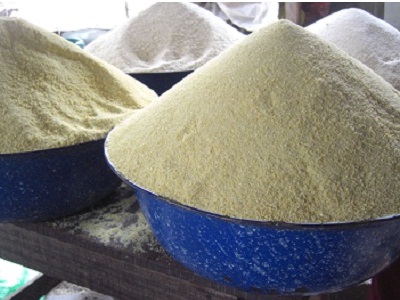
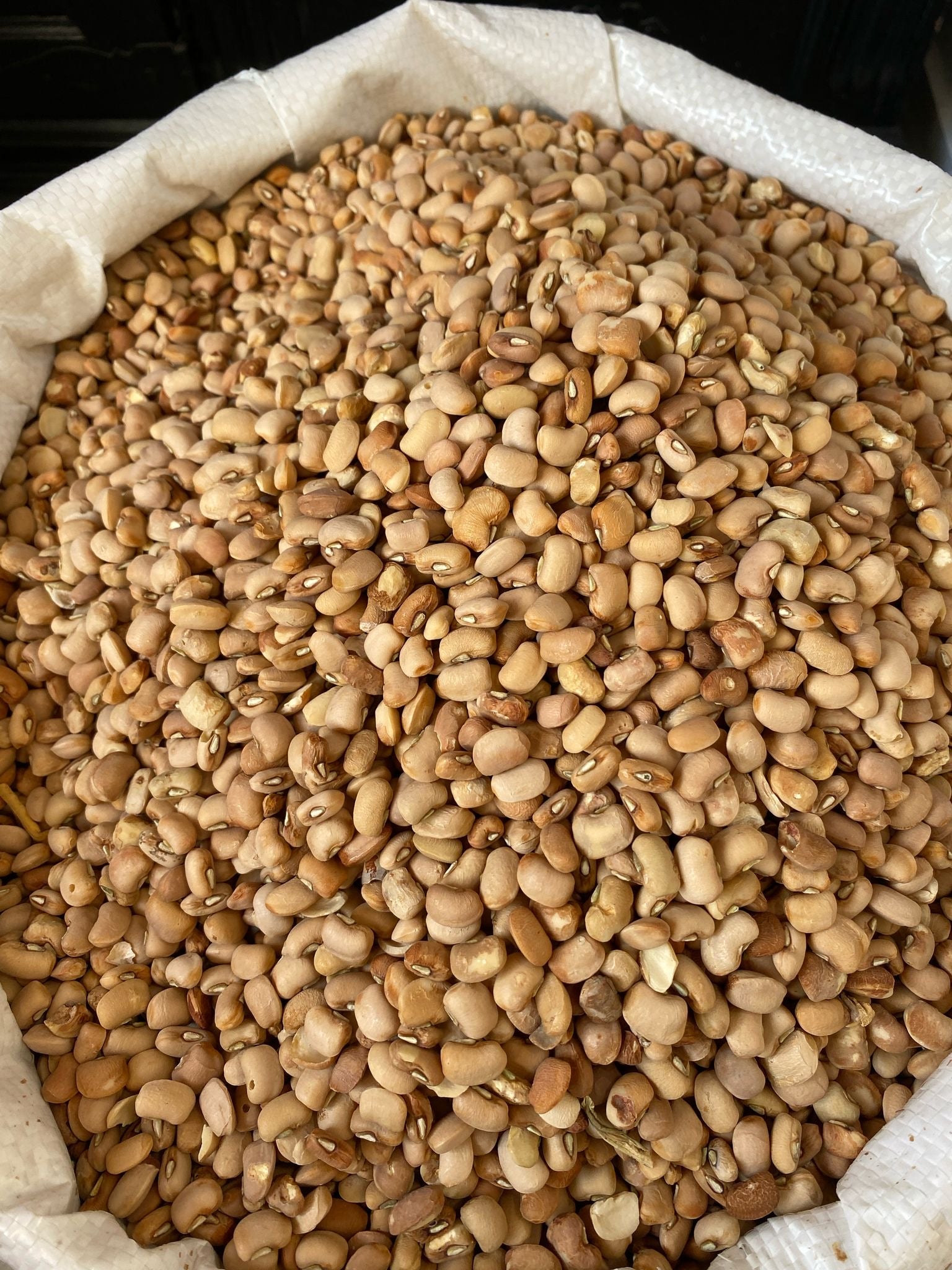
Egusi refers to the protein- and fat-rich seeds of certain melon and squash varieties, hulled and ground into a pale, textured meal. It's best known as the base of egusi soup, a dish with countless regional variations across Nigeria.
Origin & History
Egusi seeds come from melon varieties long cultivated across West Africa, grown specifically for their seeds rather than their flesh.
Egusi soup has deep roots across Nigerian ethnic groups, with each region bringing its own approach — some fry the ground seeds into small "egusi balls" within the soup, others stir it in loose. The seeds are typically shelled to reveal a cream-coloured kernel, which is then dried and ground before cooking.
Nutritional Information
Egusi seeds are relatively rich in plant fat and protein compared with many other soup thickeners, along with a range of minerals. Because of the fat content, ground egusi is more prone to spoiling in heat or humidity than drier staples.
Health Benefits
How It's Used
- Egusi soup, served with eba, pounded yam, or rice
- Fried into small dumpling-like "egusi balls" within the soup
- Combined with leafy vegetables such as ugu or bitter leaf
Storage
Store whole or ground egusi in an airtight container in a cool, dry place. Because of its fat content, ground egusi is best kept refrigerated for longer freshness and used within a few months to avoid it turning rancid.
Did you know?
The seeds used for egusi aren't the same as regular watermelon seeds — they come from specific melon and squash varieties grown mainly for their seeds, since the flesh itself is often too bitter to eat.
This article is for general food knowledge and isn't medical advice. Nutrition and health information here is general in nature — for individual dietary guidance, speak with a qualified healthcare professional.
← Back to Blog