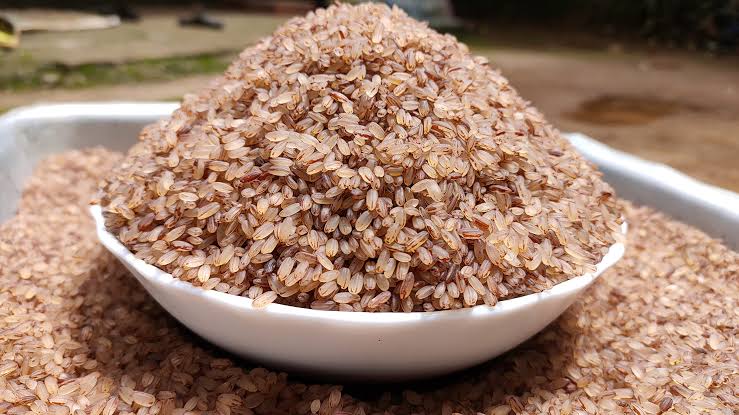
Basmati is a slender, long-grain rice known for its light, nutty aroma and the way each grain stays separate and fluffy once cooked. It isn't native to Nigeria, but over the last few decades it has become a pantry favourite — prized for the way it holds its shape in a pot of jollof without turning mushy.
Origin & History
Basmati rice originates from the Indian subcontinent, grown for centuries in the foothills of the Himalayas across the Punjab region spanning India and Pakistan. The name comes from the Hindi word for "fragrant."
Basmati has been cultivated in the Indo-Gangetic plains for centuries, prized locally long before it became a global export crop. It reached West African kitchens more recently, largely through trade, and quickly found a place alongside — rather than replacing — local rice varieties. Its long grain, low stickiness and aroma made it especially popular for party jollof rice and fried rice, dishes where a firm, separate grain is part of the appeal.
Nutritional Information
Basmati is primarily a source of carbohydrate, with a modest amount of plant protein and very little fat. It's naturally gluten-free. Compared with some short-grain white rices, basmati tends to have a somewhat lower glycaemic response, largely due to its higher amylose starch content — this is what also helps the grains stay separate rather than clumping together when cooked.
Health Benefits
How It's Used
- Basmati jollof rice
- Nigerian-style fried rice
- Coconut rice
- Biryani-style spiced pilafs
- Served alongside egusi, ogbono or efo riro
Storage
Store uncooked basmati in an airtight container in a cool, dry place away from direct sunlight — kept this way, it will typically stay good for one to two years. Once cooked, refrigerate within two hours in a sealed container and use within three to four days, or freeze for longer storage.
Did you know?
Basmati grains can nearly double in length when cooked without breaking apart — a trait rice buyers specifically look for, and one reason basmati is graded partly on how well it "elongates."
This article is for general food knowledge and isn't medical advice. Nutrition and health information here is general in nature — for individual dietary guidance, speak with a qualified healthcare professional.
← Back to Blog